
🕐9 min read
In This Article
Luxury Self-Care Ritual Guide
Premium skincare routines, bath rituals, and wellness practices — your at-home spa blueprint.
- The Foundation: Understanding Skin Barrier Function
- The Art of Cleansing: More Than Just Removing Makeup
- Actives and Penetration: How Ingredients Reach Their Targets
- The Layering Order: A Symphony of Formulations
- Vehicle Dynamics: How Creams, Serums, and Oils Differ
- The Role of pH in Product Efficacy
- Conclusion: Your Ritual, Your Rules
- Sources & further reading
- FAQ
This article contains affiliate links. We may earn a commission at no extra cost to you. Full disclosure.
Ever wonder why your favorite serum feels like liquid silk, or how that luxe cream actually sinks into your skin instead of just sitting on top? It’s not magic—it’s science, art, and a little bit of ritual. Understanding how your skincare works transforms it from a daily chore into a moment of connection. When you know why you’re applying that hyaluronic acid serum to damp skin, or why you should wait 90 seconds before layering your moisturizer, you’re not just following steps; you’re curating an experience. This knowledge is power—the kind that leads to glowing skin and a calmer mind. Let’s pull back the curtain on the beautiful mechanics of your routine.
6 min read
In This Article
- The Foundation: Understanding Skin Barrier Function
- The Art of Cleansing: More Than Just Removing Makeup
- Actives and Penetration: How Ingredients Reach Their Targets
- The Layering Order: A Symphony of Formulations
- Vehicle Dynamics: How Creams, Serums, and Oils Differ
- The Role of pH in Product Efficacy
- Conclusion: Your Ritual, Your Rules
- FAQ
Key Takeaways
- The Foundation: Understanding Skin Barrier Function
- The Art of Cleansing: More Than Just Removing Makeup
- Actives and Penetration: How Ingredients Reach Their Targets
- The Layering Order: A Symphony of Formulations
The Foundation: Understanding Skin Barrier Function
Your skin barrier, or stratum corneum, is your body’s frontline defense. It’s a delicate matrix of lipids (ceramides, cholesterol, and fatty acids) and corneocytes (dead skin cells) that acts like a brick-and-mortar wall. A 2022 study in the Journal of Investigative Dermatology found that a healthy barrier is approximately 70-80% lipids by dry weight. When this barrier is compromised—by over-cleansing, environmental stressors, or harsh actives—it can lead to transepidermal water loss (TEWL), sensitivity, and inflammation. This is why the first step of any ritual is always barrier support. A product like Dr. Jart+ Ceramidin Cream ($48 for 50ml), with its patented 5-Cera Complex, works by mimicking your skin’s natural lipid composition to repair and reinforce this vital structure.

⭐ Moon Reading
Free personalized moon reading based on your birth chart.
Affiliate link
⭐ 7 Minute Mindfulness
Top-rated 7 Minute Mindfulness — check latest deals.
Affiliate link
In my own routine, I learned this the hard way. I once overused a 10% glycolic acid toner, leaving my skin tight, red, and reactive. It took two weeks of switching to a barrier-repair focused ritual with La Roche-Posay Cicaplast Baume B5 ($14.99 for 40ml) to restore balance. Now, I always assess my barrier’s needs before introducing any new active. You can’t build a palace on a cracked foundation.
You can’t build a palace on a cracked foundation.
The Art of Cleansing: More Than Just Removing Makeup
Cleansing is the sacred opening act of your ritual. It’s not merely about stripping away the day; it’s about preparing the canvas. The ideal cleanser has a pH close to that of healthy skin, which is slightly acidic at around 4.5-5.5. Using an alkaline soap (pH 9-10) can disrupt your acid mantle, leading to that dreaded squeaky-clean feeling that actually signals damage. A cult-favorite like Tatcha The Rice Wash ($38 for 120ml) sits at a perfect pH of 5.5 and uses Japanese rice powder and hyaluronic acid to cleanse without compromise.
The technique matters just as much as the product. I use a method taught to me by a facialist: massage a pearl-sized amount onto dry skin for 60 seconds to break down sunscreen and makeup, then emulsify with lukewarm water for another 30 seconds. This ensures a thorough cleanse without the abrasive friction that can cause micro-tears. Follow immediately with your next step to capitalize on damp skin, which is up to 10 times more permeable.
Double Cleansing: The Non-Negotiable First Step
For a truly deep clean, double cleansing is the gold standard. It involves an oil-based cleanser followed by a water-based one. The science is simple: oil dissolves oil. A balm like Then I Met You Living Cleansing Balm ($38 for 3.3 oz) uses a blend of grapeseed, olive, and sunflower oils to liquefy even waterproof mascara without tugging. This step should feel like a luxurious massage, not a scrub. Rinse, then follow with your gentle second cleanse. Skipping this can leave a film of impurities that blocks subsequent products from penetrating effectively.
Ready for your next ritual?
Free weekly — no spam, unsubscribe anytime.
Actives and Penetration: How Ingredients Reach Their Targets
This is where the real magic happens. For an ingredient to work, it must penetrate the stratum corneum and reach its target layer of the skin. Molecular size, vehicle formulation, and skin condition all play crucial roles. Niacinamide, a powerhouse ingredient for brightening and barrier support, is effective at concentrations between 2-5%. A serum like Glossier Super Pure ($29 for 30ml) uses 5% niacinamide in a hyaluronic acid base, which helps drive the active ingredient deeper into the skin.
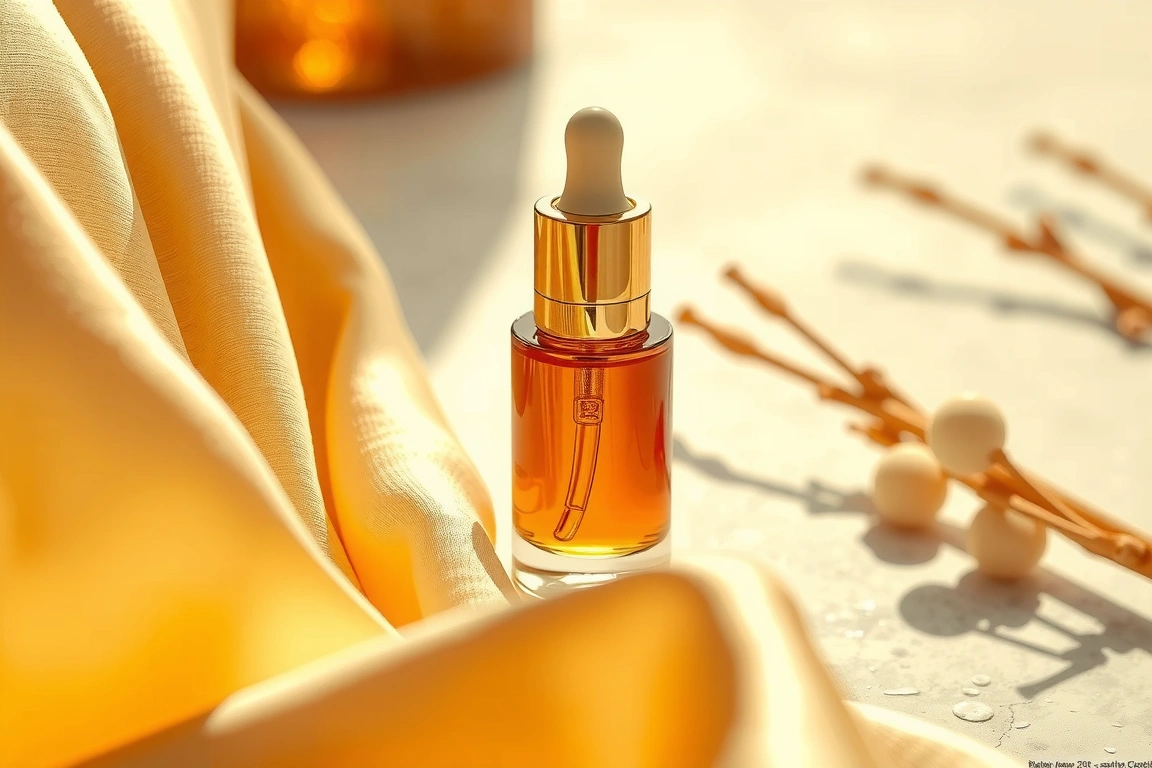
Retinoids, like prescription tretinoin 0.025% or over-the-counter retinol 0.3%, work by binding to receptors in the skin’s nuclei to increase cell turnover. But they’re notoriously unstable and sensitive to light and air. This is why they’re packaged in opaque, airless pumps, like in the SkinCeuticals Retinol 0.3% ($70 for 30ml), and applied at night. Penetration enhancers like peptides or certain lipids in the formula can increase bioavailability by up to 40%, according to a 2021 review in the International Journal of Pharmaceutics.
The Layering Order: A Symphony of Formulations
Layering isn’t just about order; it’s about viscosity and intent. The golden rule: thinnest to thickest, water-based to oil-based. This prevents heavier creams from forming a barrier that blocks lighter serums. A typical evening ritual might look like this:
- Cleanse & tone on damp skin
- Treatment Serum (e.g., vitamin C or niacinamide)
- Treatment Active (e.g., retinol or AHA/BHA)—wait 5-10 minutes
- Hyaluronic Acid Serum or Essence
- Moisturizer
- Facial Oil (if used)
- Occlusive (e.g., Aquaphor on dry patches)
Timing between layers is critical. I use the “90-second rule” for serums: after applying one, I set a timer and brush my teeth or choose my pajamas. This allows the product to absorb fully without pilling or dilution. Rushing this process is the number one reason people feel their products “don’t work.”
Rushing this process is the number one reason people feel their products “don’t work.”
Vehicle Dynamics: How Creams, Serums, and Oils Differ
The formulation of a product—its vehicle—determines how and where it delivers its actives. Serums are typically water-based, containing a high concentration of active ingredients (10-20%) with low molecular weights for deep penetration. A serum like Caudalie Vinoperfect Radiance Serum ($82 for 30ml) uses glycolic acid to help its viniferine compound penetrate more effectively.
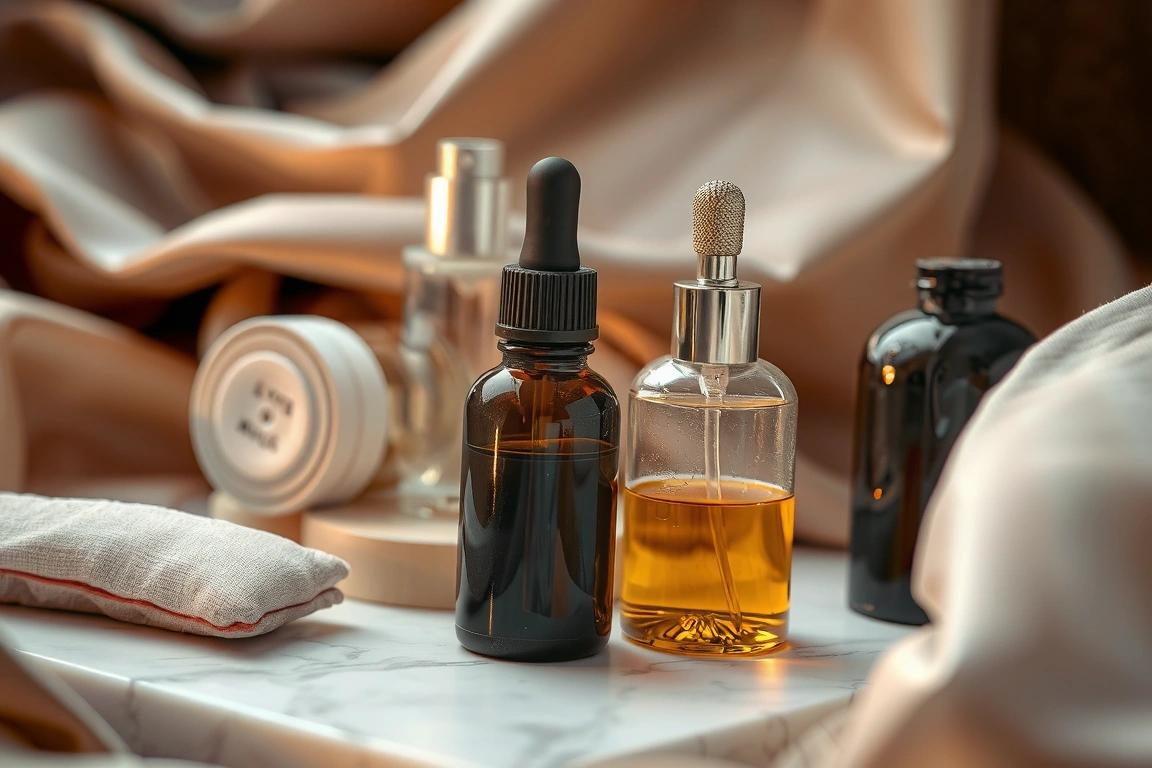
Creams are emulsions of water and oil, designed to hydrate and occlude. They often contain larger molecules that sit on the surface to prevent water loss. Oils, like marula or squalane, are purely lipid-based and are excellent occlusives, but they can block water-based products if applied too early. A budget-friendly alternative to Biossance Squalane Oil ($32 for 30ml) is The Ordinary 100% Plant-Derived Squalane ($7.90 for 30ml), which performs nearly identically in stability tests.
The Role of pH in Product Efficacy
pH isn’t just for cleansers. The effectiveness of key actives is heavily dependent on the pH of the formula and your skin. Alpha hydroxy acids (AHAs) like glycolic and lactic acid require a low pH (3-4) to exfoliate effectively. A toner like Pixi Glow Tonic ($15 for 100ml) has a pH of approximately 4.0. Using a high-pH toner right before it would neutralize its exfoliating power.
Vitamin C (L-ascorbic acid), one of the most unstable antioxidants, is most effective at a pH below 3.5. This is why formulas like Skinceuticals C E Ferulic ($169 for 30ml) are notoriously acidic—they have to be to work. If you layer a higher-pH product immediately after, you’re essentially wasting the vitamin C. I always wait a full 20 minutes after applying my vitamin C serum before moving on to my next step to ensure maximum absorption.
Conclusion: Your Ritual, Your Rules
Understanding the ‘how’ empowers you to build a ritual that truly works for your skin’s unique language. It turns application from guesswork into a mindful practice. Start by auditing your products for pH and formulation type. Introduce one active at a time, and patch test for a full week. Finally, practice patience—skin cycling isn’t a trend; it’s a necessity. Your most effective routine is the one you understand and consistently perform with intention.
Small changes, real momentum
Get practical guides and templates you’ll actually use — a few thoughtful emails a month.
Sources & further reading
- How (TV series) (en.wikipedia.org)
FAQ
How long does it take for a new skincare product to show results?
It depends entirely on the active ingredient and your skin’s cycle, which is typically 28-40 days. Hydrators like hyaluronic acid provide instant plumping. Cell-turnover ingredients like retinol take a minimum of 8-12 weeks to show visible improvement in fine lines and texture. Antioxidants like vitamin C offer immediate protection but can take 3 months to significantly improve hyperpigmentation. Consistency is everything; skipping days drastically reduces efficacy.
Can I mix my serums together to save time?
I don’t recommend it. While mixing a water-based serum with another water-based serum is generally safe, combining actives can alter their pH, stability, and penetration. For example, mixing a low-pH vitamin C serum (pH ~3.5) with a higher-pH niacinamide serum (pH ~5.5) can reduce the efficacy of both. It can also increase the risk of irritation. Layer them sequentially instead, with brief waiting periods in between for best results.
Is it necessary to use a separate eye cream?
Not necessarily, but it’s often beneficial. The skin around the eyes is about 0.5 mm thick—compared to 2 mm on the rest of your face—and has fewer oil glands. While your facial moisturizer provides hydration, a dedicated eye cream like Kiehl’s Avocado Eye Cream ($37 for 15ml) is formulated with richer emollients and targeted ingredients like peptides to address concerns like dark circles and fine lines without migrating into the eyes. If your moisturizer is rich enough and doesn’t cause milia, you can use it there.
You Might Also Like



Reclaim Your Inner Seasons
Cycle wisdom, sacred rituals, and phase-aligned self-care — rooted in tradition, delivered to your inbox.
No spam. Unsubscribe anytime.
