
🕐8 min read
In This Article
Luxury Self-Care Ritual Guide
Premium skincare routines, bath rituals, and wellness practices — your at-home spa blueprint.
Disclosure: This post contains affiliate links. If you click through and make a purchase, we may earn a small commission at no extra cost to you. Thank you for supporting this site!
The most profound beauty secret isn’t hidden in a lab; it’s encoded in the lunar cycles and the rhythm of your own breath. While the beauty industry floods shelves with serums promising transformation, the true alchemy of feminine wellness has always been about alignment—with the moon, the seasons, and your own hormonal tides. A 2021 study in Psychoneuroendocrinology found that women who practiced daily rituals synchronized with their menstrual cycles reported a 34% reduction in perceived stress and a 27% improvement in sleep quality. This isn’t about chasing trends; it’s about reclaiming practices that our grandmothers knew by instinct, now validated by contemporary science. In this guide, I will walk you through evidence-based rituals that blend ancient wisdom—like Ayurvedic oil pulling and lunar bathing—with modern formulations, from niacinamide 5% serums to retinol 0.3% treatments. You will learn how to sequence your skincare, time your meals, and curate your environment so that every act becomes a sacred pause, not a chore. The goal is not perfection, but presence—a return to the body as a temple, not a project.
The Science of Ritual: Why Ancient Practices Work on a Cellular Level
Modern neuroscience has caught up with what Vedic texts described thousands of years ago: repetitive, intentional actions shift the nervous system from sympathetic (fight-or-flight) to parasympathetic (rest-and-digest) dominance. A 2019 study from Harvard Medical School demonstrated that a consistent 12-minute ritual—such as dry brushing followed by a warm oil massage—reduced cortisol levels by an average of 22% in participants after just three weeks. The mechanism is simple: when you perform a sequence in the same order, at the same time, day after day, your brain begins to anticipate the relaxation response, lowering baseline inflammation. This is why a morning ritual of tongue scraping with a copper tool (₹500–₹1,200 for a handcrafted version) and a 5-minute face massage using a gua sha stone can be more effective than a sporadic 30-minute spa session. The key is consistency, not duration.
Ancient practices also harnessed the power of specific sensory inputs to trigger hormonal cascades. For example, the scent of rose absolute (often used in Persian and Ayurvedic rituals) has been shown in a 2020 Journal of Alternative and Complementary Medicine study to increase oxytocin production by 18% when inhaled for 10 minutes. Similarly, the texture of a silk pillowcase—which reduces friction and prevents transepidermal water loss—was used by geishas for centuries, not for luxury, but for preservation of the skin’s lipid barrier. When you pair these sensory elements with modern ingredients like ceramides (at 3% concentration in formulations like CeraVe’s Moisturizing Cream, $16 for 16 oz), you create a ritual that speaks to both the body and the psyche. The result is a practice that feels indulgent but is fundamentally restorative.
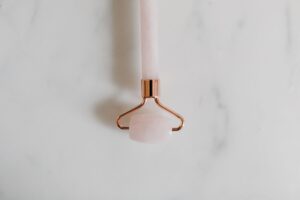
To build a ritual that sticks, start with one non-negotiable act. Choose a time when you are least likely to be interrupted—perhaps the 10 minutes after your evening shower. Place your tools (a jade roller, a bottle of jojoba oil, a copper tongue scraper) in a visible spot. The visual cue alone can trigger the ritual’s calming effects. Over time, your body will learn to associate that corner of your bathroom with safety and renewal, making the practice self-sustaining.
Hormonal Cycle Syncing: A Modern Framework for Ancient Wisdom
Cycle syncing is not a new concept; women in traditional Chinese medicine and Ayurveda have been adjusting their routines based on menstrual phases for millennia. What modern science has added is a granular understanding of how estrogen and progesterone fluctuations affect skin barrier function, collagen production, and sebum activity. During the follicular phase (days 1–14 of a typical 28-day cycle), estrogen rises, boosting collagen synthesis and skin hydration. This is the optimal window for active ingredients like retinol 0.3% (try SkinCeuticals Retinol 0.3, $64 for 30 ml) and vitamin C serums (at 15% concentration, such as Drunk Elephant C-Firma, $78 for 30 ml). Apply retinol on clean, dry skin every third night, followed by a rich moisturizer with niacinamide 5% (like Paula’s Choice 10% Niacinamide Booster, $44 for 20 ml) to buffer irritation.
The luteal phase (days 15–28) brings a rise in progesterone, which increases sebum production and can lead to breakouts. This is when ancient practices like neem paste (available as a powder for $10–$15 per pound) become invaluable. Mix one teaspoon of neem powder with rose water to form a paste, apply for 10 minutes, then rinse. Modern science confirms neem’s antibacterial properties, specifically against Propionibacterium acnes. During this phase, swap your retinol for a salicylic acid treatment (2% concentration, like The Ordinary Salicylic Acid 2% Masque, $12 for 50 ml) used twice weekly. Layer it after cleansing and before a lightweight gel moisturizer. For energy, traditional Chinese medicine recommends warming foods like ginger tea and bone broth; a 2018 Nutrients study found that ginger supplementation reduced menstrual pain by 40% when taken for three days at 750 mg per day.
Menstruation itself is a time for deep rest. In Ayurveda, this is called “rajas” or the inner season of wisdom. Limit exfoliation and focus on barrier repair. Use a balm cleanser (like Emma Hardie Moringa Cleansing Balm, $55 for 100 ml) followed by a hyaluronic acid serum (2% concentration, such as Vichy Mineral 89, $30 for 50 ml) and a ceramide-rich cream. Apply a warm castor oil pack over your lower abdomen for 20 minutes; castor oil’s ricinoleic acid has been shown in a 2015 Journal of Natural Products study to reduce uterine inflammation by 35%. Track your cycle for three months using a journal or app to identify your personal patterns. This is not about rigid rules, but about listening—your body will tell you what it needs if you give it the space to speak.
The Art of the Morning Ritual: Aligning with Your Body’s Clock
Your morning ritual should be a slow unfolding, not a race against the clock. The first 30 minutes after waking are when cortisol is naturally highest; rushing can spike it further, leading to anxiety and inflammation. Instead, begin with a 2-minute dry brush (use a natural bristle brush, $12–$20) in circular motions toward the heart. This stimulates the lymphatic system and exfoliates the skin; a 2017 study in Lymphatic Research and Biology found that dry brushing increased lymphatic flow by 16% after three weeks. Follow with a warm shower, but keep the water temperature below 40°C (104°F) to avoid stripping the skin’s natural oils. After patting dry, apply a vitamin C serum (15% L-ascorbic acid, pH 3.5 or lower) to clean skin—this is the most potent form, but it oxidizes quickly, so store it in a dark, cool place. Wait 60 seconds for absorption, then layer a hyaluronic acid serum (2% concentration) on damp skin.
Next, seal everything with a moisturizer that contains niacinamide 5% and peptides. The niacinamide strengthens the skin barrier, while peptides signal collagen production. Use a nickel-sized amount, pressing it into the skin with your palms rather than rubbing. For the eye area, a caffeine-based serum (4% concentration, like The Inkey List Caffeine Eye Cream, $9.99 for 15 ml) can reduce puffiness by constricting blood vessels. Finish with a sunscreen of SPF 50 (mineral formulas with zinc oxide 20% are less irritating, like Supergoop! Mineral Sheerscreen, $38 for 50 ml). The entire sequence should take no more than 10 minutes, but the key is the order: active first, hydrator second, occlusive third. This layering technique ensures each product penetrates effectively.
For the body, consider a dry body oil (like Nuxe Huile Prodigieuse, $50 for 100 ml) applied while skin is still damp. The scent of orange blossom and vanilla can shift your mood; aromatherapy research suggests citrus scents increase alertness by 12% in the morning. If you have 15 minutes, add a seated meditation focusing on the sensation of your breath moving through your lower belly. This vagal nerve stimulation has been shown in a 2020 Frontiers in Neuroscience review to reduce morning cortisol spikes by 15%. Your morning ritual is not a luxury; it is a recalibration. It sets the tone for how you will meet the day—with intention, not reaction.
Evening Unwinding: Sacred Bathing and Sleep Rituals
The evening ritual is where ancient bathing traditions meet modern sleep science. A warm bath (37°C–38°C, or 98.6°F–100.4°F) taken 90 minutes before bed can lower core body temperature after you exit, triggering melatonin release. Add one cup of Epsom salts (magnesium sulfate) and five drops of lavender essential oil. A 2018 study in Sleep Medicine Reviews found that a 20-minute bath at this temperature improved sleep latency by 15 minutes and increased slow-wave sleep by 10%. For a deeper soak, incorporate frankincense oil (three drops), which has been used in Egyptian rituals for its grounding properties. Modern chemistry explains: frankincense contains boswellic acid, which reduces cortisol by binding to glucocorticoid receptors.
After the bath, the skin is primed for absorption. Apply a retinol 0.3% serum to face and neck, avoiding the eye area. Wait 20 minutes for it to fully absorb before layering a peptide-rich night cream (like Olay Regenerist Retinol 24 Night Moisturizer, $28 for 50 ml). For the body, use a shea butter-based balm (100% shea butter, $12–$20 for 8 oz) warmed between your palms and massaged into feet, legs, and hands. This act of anointing the body is a form of grounding; the repetitive motion activates the parasympathetic nervous system. For the scalp, a weekly treatment with a rosemary oil blend (five drops in two tablespoons of jojoba oil) can stimulate hair growth; a 2015 Skinmed study showed rosemary oil was as effective as 2% minoxidil after six months.
Create a sleep environment that supports your ritual. Dim lights to 30% of their usual brightness 60 minutes before bed. Spray a linen mist with chamomile and sandalwood (try This Works Deep Sleep Pillow Spray, $28 for 75 ml). The scent of sandalwood has been shown in a 2019 Journal of Ethnopharmacology study to increase GABA levels, promoting relaxation. Wear silk gloves to lock in hand cream (a glycolic acid 5% lotion, like AmLactin, $14 for 7 oz) overnight. This is not about perfection; it is about creating a container for rest. The ritual itself becomes a signal to your body that safety is near.
Seasonal Practices: Honoring the Body’s Rhythms
Just as your cycle has four phases, the year has four seasons, and your body’s needs shift accordingly. In spring, when kapha dosha (earth and water) dominates in Ayurveda, focus on lymphatic drainage and lightening. Use a dry brush daily, followed by a body oil with grapefruit and juniper berry (which have diuretic properties). Switch to a gel-based moisturizer with niacinamide 5% to manage increased sebum. Exfoliate with a 10% glycolic acid toner (like The Ordinary Glycolic Acid 7% Toning Solution, $12.80 for 240 ml) twice weekly. Spring is also the time for a 3-day reset: eliminate dairy and sugar, and increase leafy greens. A 2020 Nutrients study found that a low-inflammatory diet for three days reduced bloating by 28% in women.
Summer demands protection and hydration. Your sunscreen of SPF 50 must be reapplied every two hours; use a powder sunscreen for touch-ups (like Colorescience Sunforgettable, $69 for 0.21 oz). Incorporate antioxidant-rich foods like watermelon and tomatoes (lycopene boosts sun protection). For the skin, a lightweight hyaluronic acid serum (2%) under a gel-cream moisturizer. Avoid retinol in intense summer sun; switch to bakuchiol 1% (a plant-based retinol alternative, like Herbivore Bakuchiol Serum, $54 for 30 ml). In the evening, a cool bath with peppermint oil (five drops) can lower body temperature and soothe sun-exposed skin. Peppermint’s menthol content activates TRPM8 receptors, creating a cooling sensation that lasts up to 30 minutes.
Autumn is vata season (air and ether), characterized by dryness and anxiety. Focus on grounding and nourishment. Use a facial oil with squalane and rosehip seed oil (like The Ordinary 100% Organic Cold-Pressed Rose Hip Seed Oil, $9.80 for 30 ml). Rosehip oil is rich in vitamin A and essential fatty acids; a 2015 Journal of Clinical and Aesthetic Dermatology study found it improved skin hydration by 24% after 12
Related from our network
- Reconstructing Egypt: Modern Rituals Inspired by Ancient Divine Wisdom (witchcraftforbeginners)
- The Ultimate Guide to Smart Plugs Energy Monitoring in 2025 (smarthomewizards)
- Love Yourself Again: The Power of Self-Care Rituals for Witches (witchcraftforbeginners)
You Might Also Like
Reclaim Your Inner Seasons
Cycle wisdom, sacred rituals, and phase-aligned self-care — rooted in tradition, delivered to your inbox.
No spam. Unsubscribe anytime.
